This blog was last updated on: February 18, 2026.
*Entrance reservations are NOT be required to enter Yosemite National Park at any point in 2026. Read below to learn how to prepare and visit respectfully in a reservation-free year.*
Yosemite National Park is a destination unlike any other in the world. From dazzling waterfalls to towering giant sequoias, from watching climbers scale incredible heights on El Capitan or basking in Half Dome’s alpenglow from Glacier Point, so there is so much to see and do at one of the crown jewels of the National Park Service. Whether this is your first or five-hundredth trip to Yosemite, we have gathered the latest updates, tips, and insights to help you plan your trips to Yosemite in 2026.
In recent years, cuts to the federal workforce have severely impacted staffing in national parks — and Yosemite is no exception. The National Park Service (NPS) will likely be understaffed in Yosemite National Park this summer, and we encourage all visitors to prepare ahead of time for the best trip possible.
Keep the tips below in mind when planning your summer trips to Yosemite to ensure you are up to date with reservation information and the tools to protect the park during your visit.
TLDR
- Background
- Entrance reservations in 2026
- Park entrance fees
- Glacier Point & Tioga Roads
- Camping
- Backpacking
- Visitor centers, exhibits, and information stations
- More to do while in Yosemite
- How you can care for Yosemite
Background
Much of Yosemite National Park’s resources are managed by the National Park Service (NPS). NPS staff include the classic “flat hat” rangers, as well as scientists, administration staff, facilities and custodial management, and so many more. Throughout the year, and especially in times of crisis, several park partners help to operate and sustain Yosemite National Park.
Yosemite Conservancy supports the park philanthropically, as well as through our in-park operations — educational art and outdoor programs, retail services, visitor information and orientation, and volunteer projects. It is our mission at the Conservancy to support the park’s people, wildlife, and habitat.
Yosemite Hospitality is the park concessionaire, which runs park lodging (The Ahwahnee, Yosemite Valley Lodge, Housekeeping Camp, and Curry Village), Yosemite Mountaineering School, several stores and restaurants, and more.
While in the park, you may also visit places or attend programs run by other park partners, such as the Ansel Adams Gallery, NatureBridge, and Yosemite Hospitality. If the NPS is understaffed and unable to open certain campgrounds, visitor centers, and/or bathrooms, or has limited programming available, park partners can help supplement visitor services.
Park Entrance Reservations for Yosemite in 2026
There will be no day-use/peak-hours reservation system to enter Yosemite National Park in 2026. This includes during the summer season and for the ‘Firefall’/Horsetail Fall event.
In late December 2025, Yosemite National Park announced that there will not be a reservation system in place for the summer 2026. With no reservations, park staff are anticipating an influx of excited visitors throughout the summer, especially on holiday weekends.
Keep reading our FAQs below to help you plan your park trips, navigate crowds, and make the most of your time in Yosemite.
Do I still have to pay the entrance fee?
Yes. Entry to the park always requires the applicable entrance fees. If you have a valid America the Beautiful pass, this will cover your entrance fee into the park throughout the year.
The only exception is on the newly announced fee-free days for U.S. residents:
- President’s Day – February 16, 2026
- Memorial Day – May 25, 2026
- Flag Day – June 14, 2026
- Independence Day Weekend – July 3–5, 2026
- 110th Birthday of the National Park Service – August 25, 2026
- Constitution Day – September 17, 2026
- Theodore Roosevelt’s Birthday – October 27, 2026
- Veteran’s Day – November 11, 2026
Please keep in mind that the Department of the Interior has announced a new National Park entrance fee structure for nonresidents and international travelers. The new policy will go into effect on January 1, 2026:
- The Annual Pass will cost $250 for nonresidents. Just like the pass for residents, this will cover entrance for one car, and all its passengers (or up to two motorcycles per pass).
- Nonresidents without an annual pass will be required to pay the standard entrance fee ($35/vehicle in Yosemite) and an additional fee of $100 per person (age 16+) to enter 11 of the most visited national parks, which includes Yosemite National Park.
- Please note that international visitors and nonresidents cannot enter for free on the above entrance fee-free days.
Should I visit Yosemite in a year without reservations?
Of course! Yosemite National Park is a place for all people — and while the National Park Service works to preserve natural and cultural resources, they are equally dedicated to providing opportunities for public enjoyment, education, and inspiration.
High visitation and big crowds can have devastating impacts on the park’s wildlife and habitats. In a year without reservations, we ask that you do your best to respect and care for Yosemite while visiting. The best thing you can do for the park is follow the seven Leave No Trace principles, which includes staying on trail, disposing of waste properly, respecting wildlife, and more.
How can I avoid parking and traffic congestion in Yosemite Valley?
In the summer of 2026, it’s likely that visitors will experience overcrowding on roads and in parking lots. Follow the tips below to minimize your exposure to crowds this year!
Drive at your own risk…
- Arrive early! The earlier you arrive, the better chance you have at getting a prime parking spot.
- Plan ahead. It’s always good to be prepared when coming to Yosemite with a plan and a few backups in mind, especially when you want to visit popular areas. You can also get updates on current traffic conditions in Yosemite by texting ynptraffic to 333111.
- Once you have a parking spot, KEEP IT. Leave your car for the day and use the Valley shuttle, pedal around the Valley on a bicycle, or walk along the pedestrian pathways to get around.
- Don’t have a way to bring a bike from home? Use a free bike from the Yosemite Conservancy bike share for up to 2 hours or rent a bike for half or full days from Yosemite Hospitality.
Take alternative transportation…
- Avoid traffic and the hassle of parking completely by taking the Yosemite Area Regional Transportation System (YARTS) bus. The YARTS bus operates four routes throughout the summer with three bus stops in Yosemite Valley:
- Curry Village – Best for Happy Isles, Mirror Lake, and the Mist Trail.
- Yosemite Village – Best for the Visitor Center, the Yosemite Museum and Indian Village, Cooks Meadow, and Lower Yosemite Falls.
- Yosemite Valley Lodge – Best for Upper Yosemite Fall or Swinging Bridge.
Plan for midweek or off-hours when possible …
- If you are able to be in the park for multiple days, try to visit Yosemite Valley on weekday. While the Valley is popular 24/7, weekdays tend to be slightly less busy.
- Half the Park is After Dark: While parking will fill in the mornings with avid hikers, coming to stargaze is an excellent option for anyone hoping to avoid the daytime hustle and bustle. Not sure where to stargaze? Check out our blog or sign up for a Conservancy stargazing program.
- If you are flexible on your travel dates, try visiting the park before Memorial Day or after Labor Day.
Be patient and kind … Park staffing has been impacted by federal workforce reductions, and rangers and Conservancy volunteers are doing their best to support a safe and welcoming environment for all.
Where can I avoid crowds on trails?
While Yosemite Valley remains the focus of many visitors, there are other beautiful corners of the park to explore (often with less crowds). Points of interest outside of Yosemite Valley include:
- Giant sequoia groves: Yosemite National Park has three groves of giant sequoias — Mariposa Grove in the south and the Merced and Tuolumne groves near the Crane Flat Junction.
- Wonders of Wawona: Go back in time at the Yosemite History Center, ramble along the Wawona Meadow Loop, or hike up to Chilnualna Falls.
- Hetch Hetchy: Hike around the reservoir that safeguards water for the Bay Area to Wapama Falls. Great for springtime wildflowers. Please note that parking in the area is limited, and that the gate at Hetch Hetchy is only open during the day and closes at night.
- High Sierra Road Trip: Spend a day driving along Tioga Road and stopping at scenic overlooks when the road is open for the season.
- Wilderness Backpacking: Get away from the crowds in Yosemite’s wilderness. Wilderness permits are required year-round to backpack in Yosemite. Learn more at the Conservancy’s wilderness hub or call our knowledgeable wilderness operations assistants at 209-372-0740.
- The Magic of Tuolumne Meadows: When Tioga Road is seasonally open, stop by the Tuolumne Meadows Visitor Center for trail recommendations or the Parsons Memorial Lodge for an afternoon program.
- Gateway Communities: Yosemite National Park is surrounded by beautiful National Forest and other public lands, including Bass Lake and Mono Lake. Plan for a hike or two outside the park just in case.
Do I need a reservation for Firefall in 2026?
No, entrance reservations are not required to enter the park for the 2026 ‘Firefall’/Horsetail Fall event.
How can I be a thoughtful visitor in a non-reservation year?
Reservation systems in past years were a tool used to manage peak congestion and resource strain. In a year without that structure, the park’s wellbeing depends on your individual choices.
- Protect Fragile Landscapes. Yosemite’s meadows, riverbanks, and alpine areas are particularly sensitive to foot traffic. Damage to these ecosystems can take years, and sometimes decades, to recover. Remember to:
- Stay on designated trails and boardwalks.
- Avoid stepping into meadows, even for a photo.
- Resist creating social trails or shortcutting switchbacks.
- Always park vehicles in designated parking areas and spots (violators may be towed and/or cited).
- Store Food Properly. Yosemite is bear country, and access to human food can lead to negative human-bear interactions. Proper food storage protects both animals and visitors, and we ask that you do your part:
- Use bear lockers where provided.
- Never leave food or scented items in vehicles.
- Always keep daypacks in armlength.
- Slow Down on Park Roads. Congestion can be frustrating, but speeding and unsafe passing only increase risks. Wildlife frequently crosses roadways, and cyclists and pedestrians share space in Yosemite Valley.
- A slower pace isn’t just safer — it often makes the visit more enjoyable.
- Come Prepared. Plan like a ranger!
- Bring plenty of food and water for potential delays.
- Check trail conditions before heading out.
- Have a backup plan if a parking area is full.
- Stop and use restrooms when they are available. You can find a map of all the bathrooms in Yosemite Valley in our Guide to Bathrooms blog.
- Understand that cell service is limited.
Remember, everyone else is going through the same experience. Be kind and patient with other visitors, park staff, and local wildlife.
Learn more about visiting Yosemite in a year without reservations in our Yosemite National Park in 2026: Planning Ahead in a Reservation-Free Year blog.
Entrance Fees in 2026
Entry to the park always requires the applicable entrance fees. If you have a valid America the Beautiful pass, this will cover your entrance fee into the park throughout the year.
The only exception is on the newly announced fee-free days for U.S. residents:
- President’s Day – February 16, 2026
- Memorial Day – May 25, 2026
- Flag Day – June 14, 2026
- Independence Day Weekend – July 3–5, 2026
- 110th Birthday of the National Park Service – August 25, 2026
- Constitution Day – September 17, 2026
- Theodore Roosevelt’s Birthday – October 27, 2026
- Veteran’s Day – November 11, 2026
Please keep in mind that the Department of the Interior has announced a new National Park entrance fee structure for nonresidents and international travelers. The new policy will go into effect on January 1, 2026:
- The Annual Pass will cost $250 for nonresidents. Just like the pass for residents, this will cover entrance for one car, and all its passengers (or up to two motorcycles per pass).
- Nonresidents without an annual pass will be required to pay the standard entrance fee ($35/vehicle in Yosemite) and an additional fee of $100 per person to enter 11 of the most visited national parks, which includes Yosemite National Park.
- Please note that international visitors and nonresidents cannot enter for free on the above entrance fee-free days.
Glacier Point & Tioga Roads
Glacier Point Road to the south of Yosemite Valley and Tioga Road to the north, both close seasonally due to winter conditions. The roads usually reopen in late May or early June. We will continue to update this blog as new information becomes available, but you can also check the NPS website for current closure information.
Glacier Point Road is currently CLOSED. Once open, visitors will be able to drive all the way to Glacier Point.
Tioga Road is currently CLOSED. Click here to learn all about Tioga Road in summer.
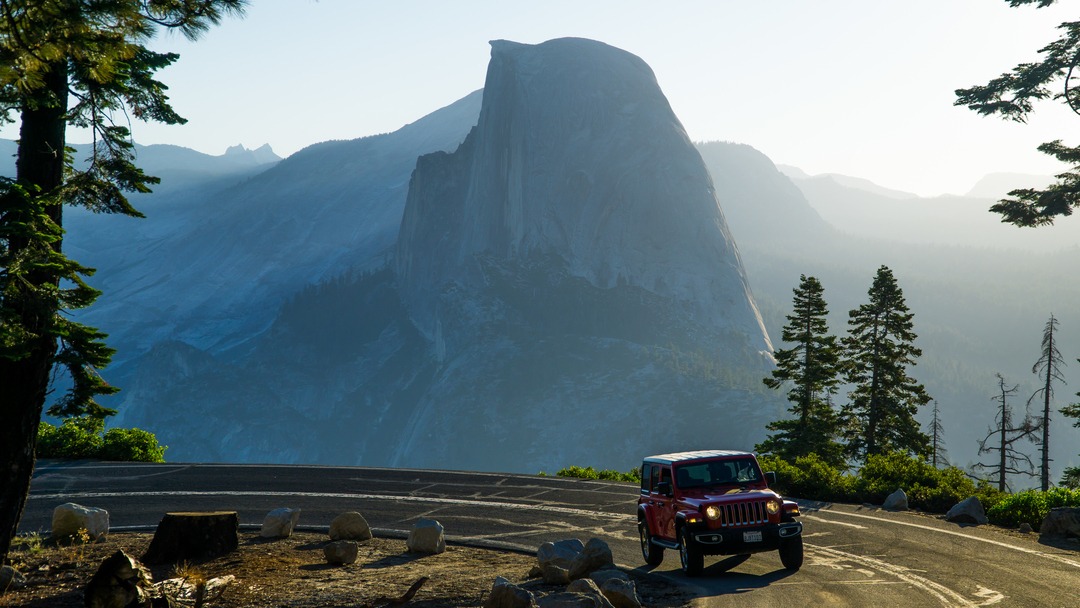
Photo by Andrew Collins
Camping
Camping is a classic way to experience Yosemite. Waking up in a forest, listening to birdsongs, enjoying meals around a campfire. NPS manages 13 campgrounds throughout the park.
Many of Yosemite’s campgrounds CLOSE during the winter season — only four remain open year-round: Upper Pines and Camp 4 in Yosemite Valley, Hodgdon Meadow north of Yosemite Valley, and Wawona south of Yosemite Valley.
Check out the Conservancy’s camping blog to find the right campsite for your trip! Opening dates for the other nine park campgrounds will be announced in late spring. We will update this blog as soon as we have any updates on this process.
Making a campground reservation in Yosemite National Park often requires planning, as reservations often sell out within minutes of being released. Check out our tips and recommendations of everything you need to know about car camping in Yosemite National Park.
Backpacking
More than 90% of Yosemite National Park’s 704,028 acres is federally designated wilderness. Maintaining wilderness areas requires staff — restoration crews, wilderness rangers, and more. In Yosemite in 2026, Conservancy donors are supporting the restoration of Kerrick Meadow and the Keep It Wild wilderness restoration crew.
The Yosemite Valley Wilderness Center is closed seasonally from approximately late-October through mid-April. During this time, self-registration wilderness permits are available from outside the nearest permit station to each trailhead.
The Wilderness Operations team at Yosemite Conservancy manages the park’s wilderness permit reservation system, in partnership with the National Park Service. Whether you’re looking to go on a one-night backpacking trip or a multi-day adventure, learn more about acquiring wilderness permits here. And if you’re looking for a guided wilderness adventure, check out our Outdoor Adventures.
Visitor centers, exhibits, and information stations
Throughout Yosemite National Park, there are various locations that provide visitor information, education, and orientation services to the public. Current hours for these locations are all listed in the Yosemite Guide, the park newspaper that is distributed at entrance gates.
Two year-round destinations that are great for curious minds are the Exploration Center and the Yosemite Museum; both located at the eastern edge of Yosemite Village.
The Exploration Center features educational exhibits about the natural and cultural history of the park — including an exhibit on rock climbing in Yosemite. Be sure to check out Yosemite’s newest exhibit, Yosemite Now, which features displays about park scientists on their studies.
The Yosemite Museum features the Indian Cultural Exhibit with masters of Tribal basketry and other artefacts on display. Come and learn about Yosemite’s Associated Tribes from a knowledgeable cultural demonstrator. Behind the Yosemite Museum there is the Indian Village with open air exhibits and informational panels.
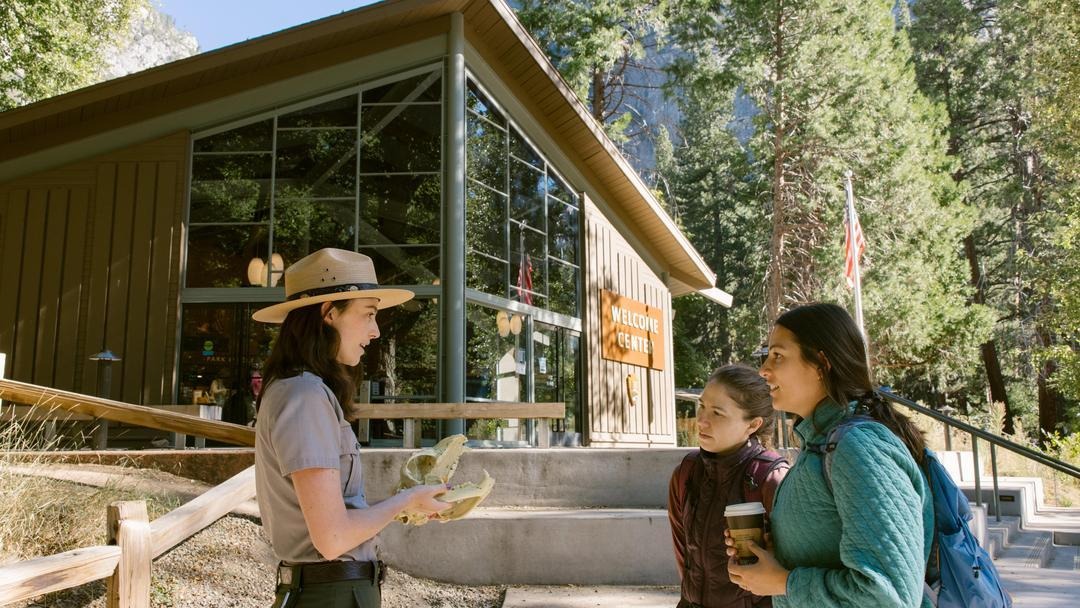
Photo by Jenn Emerling
More to do while in Yosemite
Yosemite is full of amazing visitor experiences year-round. If you’re looking for new ways to connect with the park or for an outing that goes beyond hiking and sightseeing, keep reading for our favorite programs, activities, and park locations.
Join a Naturalist Program
- Ranger programs: The National Park Service offers a variety of informative and inspiring walks and talks for visitors to learn about Yosemite throughout the year. In these programs, you’ll join a knowledgeable park ranger for programs ranging from the night sky, meadow habitats, and more!
- Naturalist walks: Set out with Conservancy naturalists for casual, one- to two-hour programs in Yosemite Valley! Join us for birding and wildlife walks in the spring, or sunset walks and stargazing programs all season.
- Outdoor Adventures: Discover the awe-inspiring wonders of Yosemite’s natural and cultural history with Conservancy expert instructors on an Outdoor Adventure. We have a variety of adventures planned in Yosemite in 2026 — from camping and day hikes, backpack excursions, and in-depth trips focused on flora and fauna.
Try a New Hobby
- Art classes: Connect with Yosemite in 2026 through art! Join us for a class or creative activity that will help you see the natural world in a new way while in Yosemite Valley. Our classes follow a variety of mediums and focuses, including watercolor, sun printing, sketching, nature journaling, paint and sips, kids’ art classes, and more. You can also take your art a step further and join an art retreat or plan a custom adventure.
- Rock climbing and mountaineering: Learn essential mountaineering skills on breathtaking guided climbs with expert instructors in Yosemite’s stunning alpine landscapes alongside the Yosemite Mountaineering School and Guide Service.
- Photography: Join a photography class through The Ansel Adams Gallery that will teach you how to use your camera and incorporate Adams’ photographic techniques into your craft.
Visit our Yosemite Favorites
How you can care for Yosemite
Yosemite National Park, and all national parks, are part of your public lands — lands that are meant to be experienced and shared. As you plan your upcoming travels, please keep in mind that national parks have been struggling in recent years with staffing shortages. Please be mindful of staff limitations, engage respectfully with park personnel during your visit, and do your part to ensure that Yosemite is preserved and cared for.
Congestion & Traffic
- Depending on staffing at entrance gates, lines may occur while entering the park. During a typical summer season, visitors have been known to wait for an hour or more — especially on holiday weekends. Please be courteous to park staff as they work to provide the best visitor services possible.
- Please only park cars in designated parking spots. If your trailhead is full, please consider one of your backup options, and either try another day or return later in the day depending on your trip planning. Also consider taking a free Yosemite shuttle to the trailhead.
- If a day-use reservation system is not implemented, expect traffic lines at entry gates and plan accordingly.
Protecting Flora & Fauna
- Yosemite National Park is home to many black bears and other wildlife. Bear spray and bear mace is not allowed or necessary in the park. The best way to keep yourself safe is to keep your distance from wildlife — do not approach any wildlife and do not feed them. Learn more about bear and wildlife safety here.
- One of the most important ways to care for the earth and local wildlife in Yosemite is through food safety and utilizing the bear-proof lockers in the park. By not leaving out unattended food and properly storing your scented items, food, and trash, you’re ensuring that our bears stay wild and our park stays clean. Learn more about how to use these lockers here.
- Safe storage options include hotel rooms, bear boxes, bear canisters, and vehicles during the day if the food is not visible from the outside.
- Only walk on designated trails and paths. Walking outside of designated paths harms plants and meadows which are critical parts of the ecosystem.
- Don’t take home rocks, flowers, leaves, cones, sticks, or anything else — they are all a part of a delicate and important ecosystem in Yosemite. Take only pictures, your memories, and items from our stores.
- Learn more about Leaving No Trace when you’re in the wilderness.
Protect Yourself & Your Trailmates
- Fire Safety
- Please follow all rules and regulations regarding where fires are allowed in Yosemite National Park.
- Never leave a fire unattended.
- When you are done with your fire, please be sure to drown, stir, and feel that the ashes are cool before leaving the fire.
- Personal safety
- Please do not approach waterfalls. Leaving designated pathways and stepping out onto smoothed river rocks can result in injury.
- Swift water currents can be dangerous during peak runoff periods.
- Listen to your body and to your group when hiking — if you or someone in your group does not feel comfortable with continuing, be prepared to turn around.
- Pack like a park ranger! Include the 10 essentials in your pack. Extra water and snacks are always great, especially in the summer months.
- Be aware of your surroundings when in nature. Noticing the tree roots across your path or how close you are to the edge of an overlook can ensure a safe and happy Yosemite experience.
Trash
- On hikes or at your campground, take some time to pick up any trash that you see, even if it does not belong to you. Trash can be deposited in available trash bins and dumpsters.
- Please do not leave trash on top of overflowing trash cans or in bathrooms. If a trash bin is full, please hold onto your trash until you come across a bin with space in it.
- Bring extra trash bags and as many items that are reusable as possible to prevent trash overflow in the park. A great way to reduce and reuse is to repurpose empty bread bags or produce bags for impromptu trash bags while hiking.
Bathrooms
- When nature calls, it is important to answer that call — appropriately. Please use designated bathroom facilities. Due to staffing shortages some bathrooms maybe be closed and less frequently serviced. Having a map and an understanding of toilet locations nearby could be critical.
- If you’re in the backcountry, as usual, remember these guidelines for using the bathroom safely.
Support Yosemite from afar
- For more than 100 years, Yosemite Conservancy has been supporting the conservation of Yosemite’s natural resources. Thanks to generous donors, we have provided more than $172 million in grants to Yosemite for more than 900 projects. In 2025, the Conservancy is providing $18 million in total support and funding around 60 new grants to the National Park Service for projects in the park. Our work as partners to the NPS is more crucial than ever and we couldn’t do it without the support of our donors. Make a gift today.
- Share information about recreating responsibly and Leaving No Trace with your loved ones. Everyone can be a steward of public lands by recreating with care.
- Contact your elected officials to express your support for parks.
- Looking for more ways to support Yosemite and Yosemite Conservancy? Check out our blog 100 ways to support Yosemite.