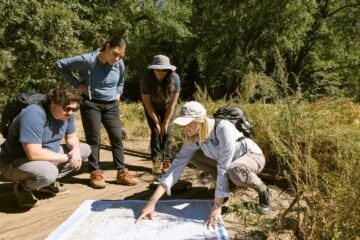
Visitors in photo walk on an official path. Please help protect wildlife by staying out of meadows. © Jenn Emerling.
Yosemite National Park has announced that entrance reservations will NOT be required for visitors driving into the park in 2026.
In recent years, Yosemite has implemented reservation systems during peak summer months and special events to help manage extreme traffic congestion, protect resources, and improve the visitor experience. For the 2026 season, however, the National Park Service has paused the Yosemite entrance reservations system for general day access — though you will still need to pay the park entrance fee or use a valid interagency pass.
Without a reservation system in place, visitors may notice fuller parking lots, longer entrance lines, heavier traffic and congestion inside the park, and busier trails during high-demand periods. That makes thoughtful planning — and shared stewardship — especially important this year.
“With record visitation in recent years and no reservation system in place this year, we’re asking visitors to come prepared, be patient, and treat the park — and each other — with respect,” says Cassius M. Cash, Yosemite Conservancy President & CEO. “Protecting Yosemite takes all of us, and together, we can ensure it remains healthy and inspiring for generations to come.”
Keep reading to learn what to expect, how to plan accordingly, and the best ways to be a thoughtful visitor in a year without entrance reservations:
- What to expect in a reservation-free year
- Thoughtful visitation in 2026
- Access and Responsibility go Hand in Hand
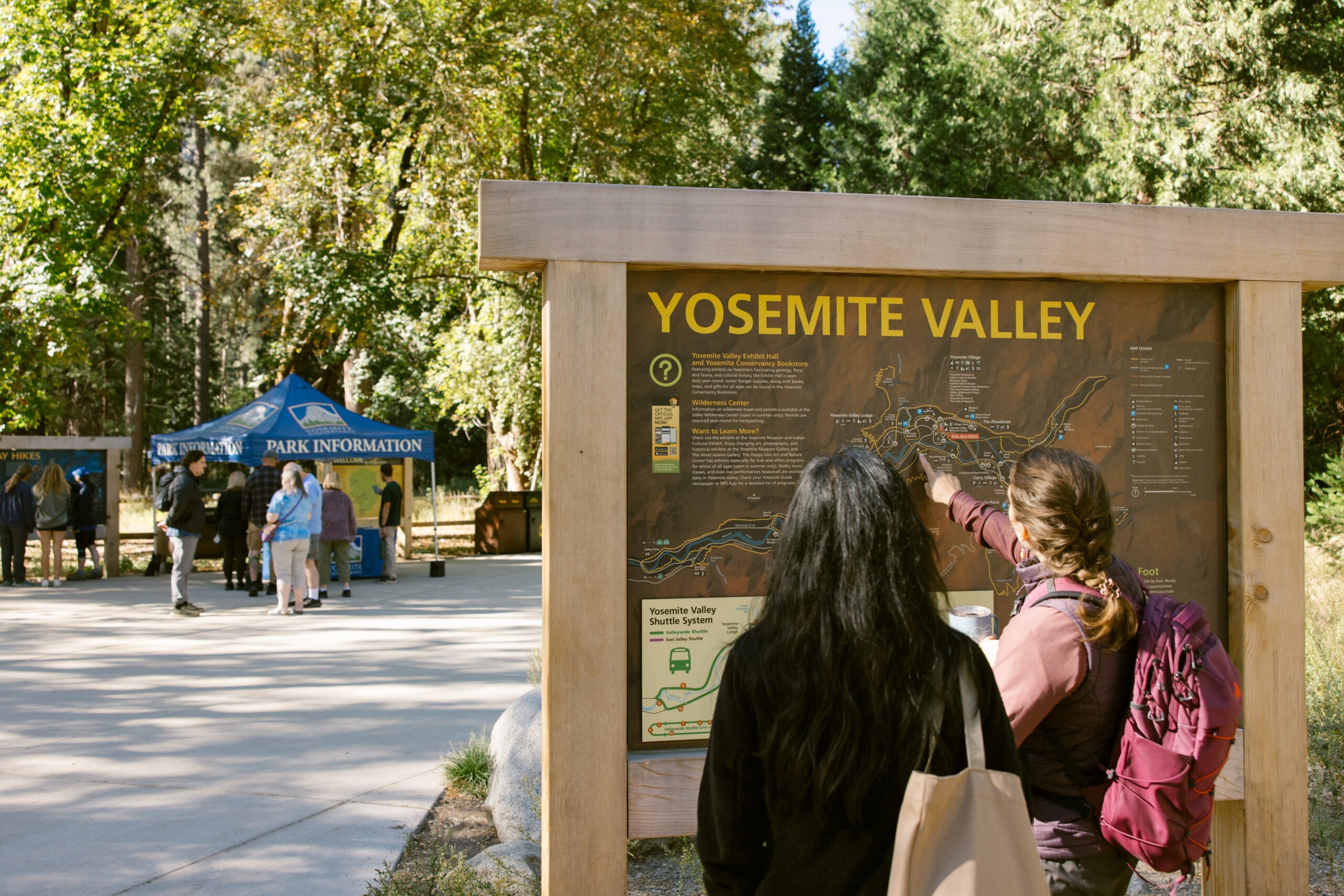
Photo courtesy of Jenn Emerling.
What to Expect in a Reservation-free year
Entrance reservations are NOT required to drive into Yosemite in 2026. Visitors are still required to pay the standard entrance fee or use a valid interagency pass. Learn more about general entrance fees and park operations in our Know Before You Go: Yosemite in 2026 blog.
Planning ahead is the best thing you can do! Some important things to know in a year without entrance reservations.
Earlier Arrivals Matter More. During the busy seasons — especially late spring through early fall — entrance stations may experience longer wait times. Parking in Yosemite Valley and at popular trailheads can fill early, especially on weekends. Arriving before 8 am, visiting midweek, or exploring in the shoulder seasons (early spring and late fall) can significantly improve your experience. Delays and congestion are possible on any day, but are noticeably worse on Saturdays, Sundays, and holiday weekends.
Public Transportation May be Your Best Option. In years without a reservation system, finding available parking inside the park was a common obstacle for visitors. If you do drive, remember to always park your vehicle in designated parking areas. Damage to these ecosystems can take years, and sometimes decades, to recover. Instead, we suggest you consider alternate forms of transportation. Some options:
- Park at a gateway community location outside Yosemite and ride a YARTS bus into the park.
- Once inside Yosemite Valley, take the free, in-park shuttles to get around Yosemite Valley.
- Go green and rent a bike from Yosemite Hospitality (for up to a full day) or rent a free bike from Yosemite Conservancy’s bike share program (for one to two hours). Learn more about popular bike routes in the Our 5 Favorite Bike Rides blog.
Popular Areas Will Be Busy. Iconic locations like Yosemite Falls, Tunnel View, Glacier Point, Mariposa Grove, and the Mist Trail corridor tend to draw large crowds. Expect crowded viewpoints and limited parking turnover during mid-day hours. If your heart is set on a particular hike or photo location, build in flexibility — and patience.
The Entire Park is Worth Exploring. Some of Yosemite’s most meaningful moments happen away from the busiest corridors. When the park itself is busy, we encourage you to consider visiting gateway communities and their visitor centers in Mariposa, Groveland, Mono County, and Oakhurst.
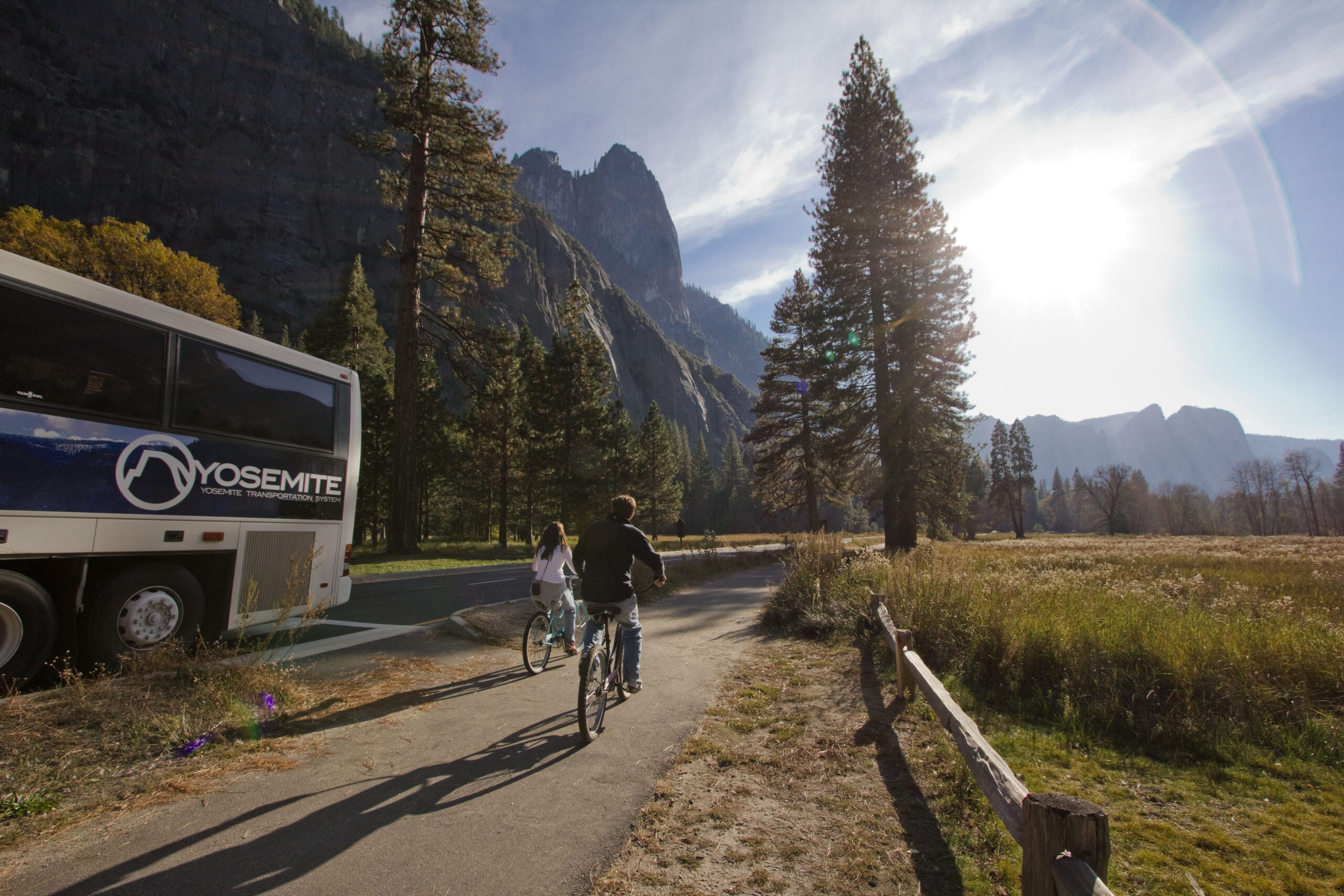
Buses, shuttles, and bikes are a great way to avoid traffics in years without Yosemite reservation systems in place. Photo courtesy of Yosemite Conservancy/Keith Walklet.
Thoughtful Visitation in a Year without Yosemite Entrance Reservations
In years past, reservation systems were a tool used to manage peak congestion and resource strain. In a year without that structure, the park’s well-being depends on your individual choices. Each visitor plays a role in the health of Yosemite.
Protect Fragile Landscapes. Yosemite’s meadows, riverbanks, and alpine areas are particularly sensitive to foot traffic. Once damaged, these ecosystems can take decades to fully recover.
- Stay on designated trails and boardwalks.
- Avoid stepping into meadows, even for a photo.
- Resist creating social trails or shortcutting switchbacks.
- Always park vehicles in designated parking areas and spots (violators may be towed and/or cited).
Store Food Properly. Yosemite is black bear country, and access to human food can lead to negative human–bear interactions. Proper food storage protects both animals and visitors, and we ask that you do your part:
- Use bear lockers where provided.
- Always stay a safe distance from wildlife.
- Never leave food or scented items in vehicles overnight.
- Always keep daypacks within reach.
- Follow posted speed limits and watch for wildlife when driving.
Slow Down on Park Roads. Congestion can be frustrating, but speeding and unsafe passing only increase risks. Wildlife, cyclists, and pedestrians frequently cross, follow, or parallel park roadways. Be aware of hazards on curvy mountain roads, especially when the sun is in your eyes early or late in the day.
If there are cars following you, don’t feel pressured to speed up. Slower vehicles should use turnouts to let other cars pass. Following the speed limit isn’t just safer — it often makes the visit more enjoyable.
Come Prepared. Plan like a ranger and remember that everyone is having the same experience.
- Be kind and patient with other visitors, park staff, and local wildlife.
- Bring plenty of food and water for potential delays.
- Check the weather forecast for your park destination before heading out.
- Have a backup plan if a parking area is full.
- Stop and use restrooms when they are available. You can find a map of all the bathrooms in Yosemite Valley in our Guide to Bathrooms blog.
- Understand that cell service is limited. Consider bringing paper maps or downloading a park map to your phone through the National Park Service’s app before you enter the park.
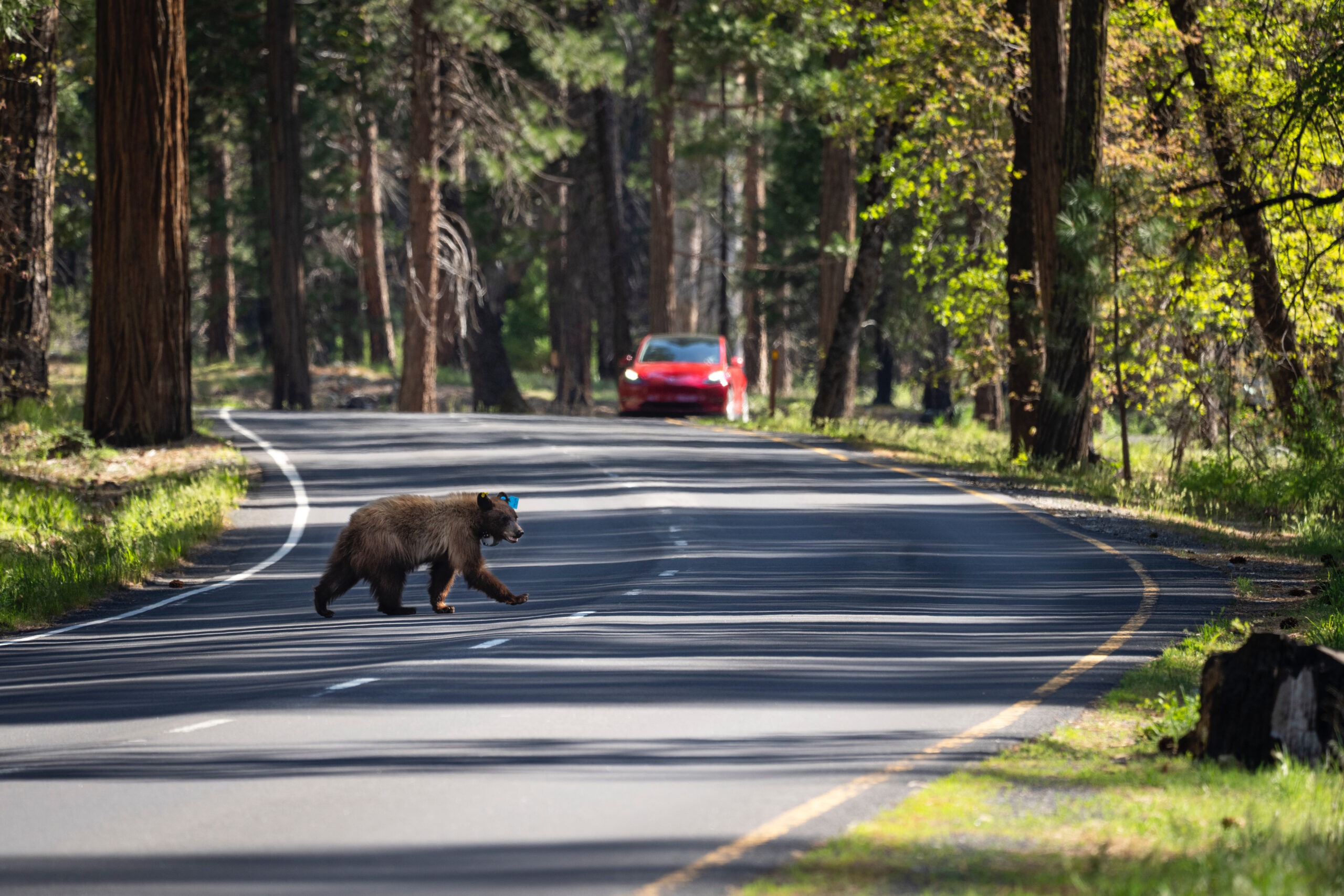
A black bear crosses a high-use road in Yosemite Valley. Photo courtesy of Jessica Hadley.
Access and Responsibility go Hand in Hand
A reservation-free year offers flexibility, and it also calls for attentiveness — to the land, to wildlife, and to one another.
Remember, we can help protect the iconic and fragile parts of Yosemite just by:
- Arriving early, rather than mid-day.
- Choosing less crowded trails when possible.
- Packing out every scrap of trash.
- Allowing wildlife to be wild.
- And extending patience in chaotic moments.
Remember, Yosemite’s granite walls and ancient trees have endured for millennia, but our thoughtful visitation can directly support the continued existence of clean rivers, healthy meadows, and meaningful landscapes for future generations.
“Yosemite Conservancy — through the generosity of our donors, the hard work of our staff and NPS partners, and the commitment of our volunteers — will continue advancing critical scientific research, restoring landscapes and wildlife habitat, protecting the long-term health of Yosemite’s natural and cultural resources, and supporting a safe and meaningful visitor experience,” says Cash.
How we act today matters, and we invite you to join us in caring for the wellbeing and longevity of Yosemite National Park.
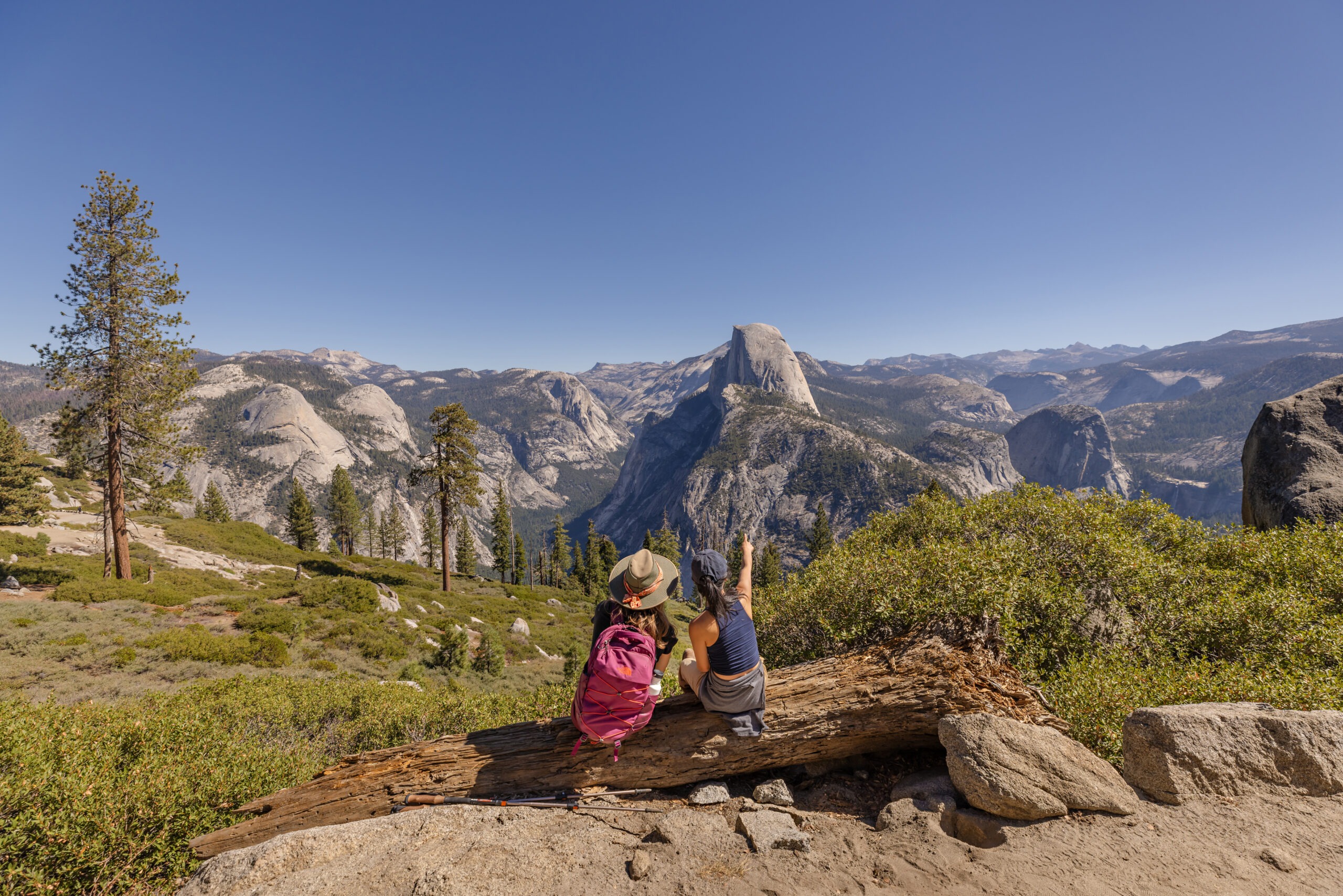
Photo courtesy of Brittany Colt.