Yosemite National Park can sometimes feel like an amusement park in the busy summer season — crowded trails, congested parking lots, and fast-paced itineraries. While it can be fun to experience as many iconic spots as possible, some prefer to enjoy the calmer side of Yosemite.
Of course, a slower-paced afternoon or adventure doesn’t mean you’ll miss the best parts of the park. Read on for our favorite places to slow down in Yosemite.
- Float the Merced River
- Happy Isles Art & Nature Center
- Tuolumne Meadows
- Valley Picnic Areas
- Evening in Yosemite
Float the Merced River
If you’re visiting in summer, floating the Merced River is about as slow as it gets — it’s one of the few Yosemite experiences where doing less is the goal.
Bring your own floatie or rent a raft in Curry Village (when river conditions allow, typically June and July) and let the current do the work as you drift beneath towering cliffs. There’s no itinerary — just sunshine, cool water, and the occasional need to paddle away from the bank.
Most floaters start at the Stoneman Bridge (near Curry Village) and stop at Sentinel Beach Picnic Area, and the National Park Service asks that you do not try to start/stop anywhere in between these two locations.
Remember, floating is only allowed when the gage height at Pohono Bridge is below 7 feet at 8 am, and a personal flotation device is required if the gage is above 4 feet at 8 am. Not sure if it’s safe to float the river? You can always check in at an information station to confirm river levels at a visitor center.
Please note that areas above waterfalls are never safe to swim. There are no lifeguards in Yosemite, you are responsible for your own safety.
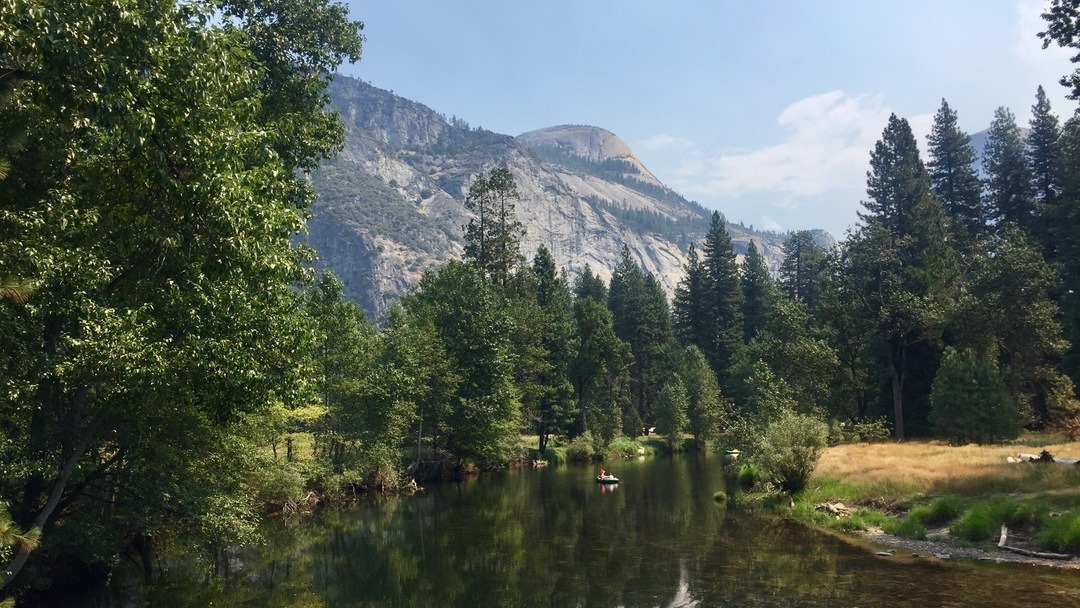
Summer rafting on the Merced River. Photo courtesy of Alison Blair.
Happy Isles Art & Nature Center
At the eastern end of Yosemite Valley, near shuttle stop 16, the Happy Isles Art & Nature Center offers a different way to experience the park, by slowing down and observing it closely.
Operated in partnership with Yosemite Conservancy, the center hosts a variety of art programs that invite visitors to connect with Yosemite through creativity.
The space holds workshops ranging from water coloring to journaling, hosts pop-up nature-themed art activities for kids beginning in April, and features family-friendly exhibits about Yosemite’s natural history. Visitors can also register for Paint & Sip programs on Friday afternoons from May to October to spend a few hours sipping a complimentary beverage and creating a watercolor painting of Yosemite.
Looking for a deeper art-immersion? Every week, Happy Isles Art and Nature Center hosts a new art instructor who presents classes from 9 am to 1 pm, Monday to Friday. Find the full class schedule here.
Spending an hour or two sketching a wildflower, painting a granite cliff, or simply paying attention to the colors and textures around you naturally slows your pace — and often helps you notice details of the landscape you might otherwise pass by. All levels welcome!
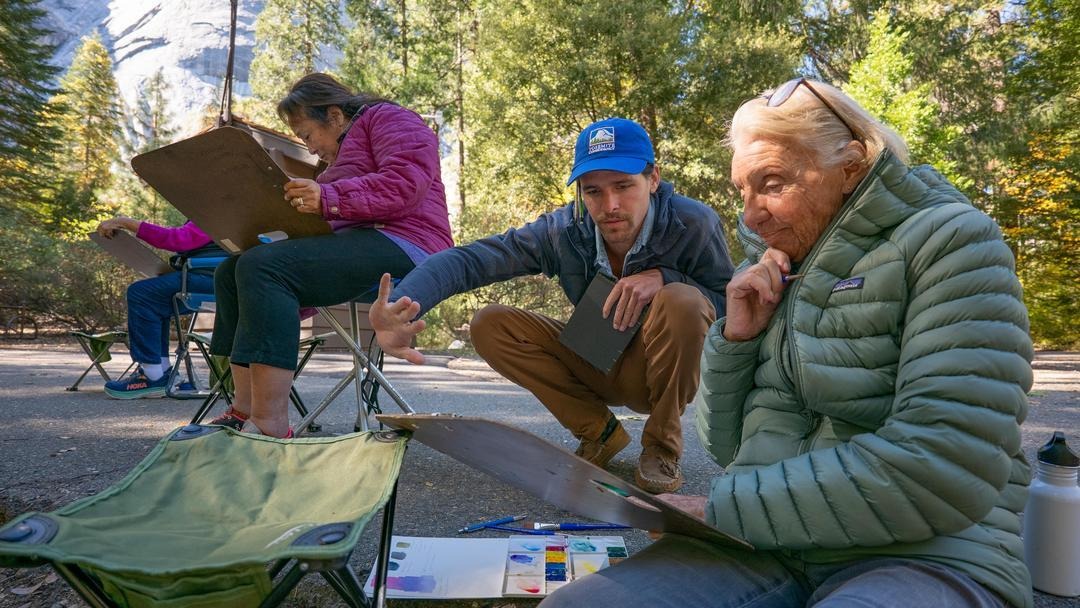
Art class at Happy Isles Art & Nature Center. Photo courtesy of Blake Johnston.
Tuolumne Meadows
High above Yosemite Valley, Tuolumne Meadows feels like a different world. The air is cooler, the alpine lakes and meadows are plentiful, and the crowds thin out.
Wander along the Tenaya Lake Loop Trail, watch clouds drift over Lembert Dome, take a day to hike to Dog Lake , or simply sit and listen to the wind moving through meadows. Let yourself relax and linger in the landscape.
For those looking to spend even more time in the area, Yosemite Conservancy offers guided Outdoor Adventures — from day hikes to multi-day backpacking trips — that explore the surrounding wilderness. These trips combine time on the trail with opportunities to learn about the park’s natural and cultural history from experienced guides.
Summer visitors can also stop by Parsons Memorial Lodge at the heart of Tuolumne Meadows. The historic lodge hosts an annual poetry festival and summer series that brings scientists, artists, and storytellers together for informal talks about Yosemite’s landscapes, wildlife, and history — a perfect excuse to sit down, listen, and stay a little longer in the high country.
Remember, Tuolumne Meadows is typically accessible only in summer and early fall, depending on snowpack. Always check current conditions on the NPS website before heading out.
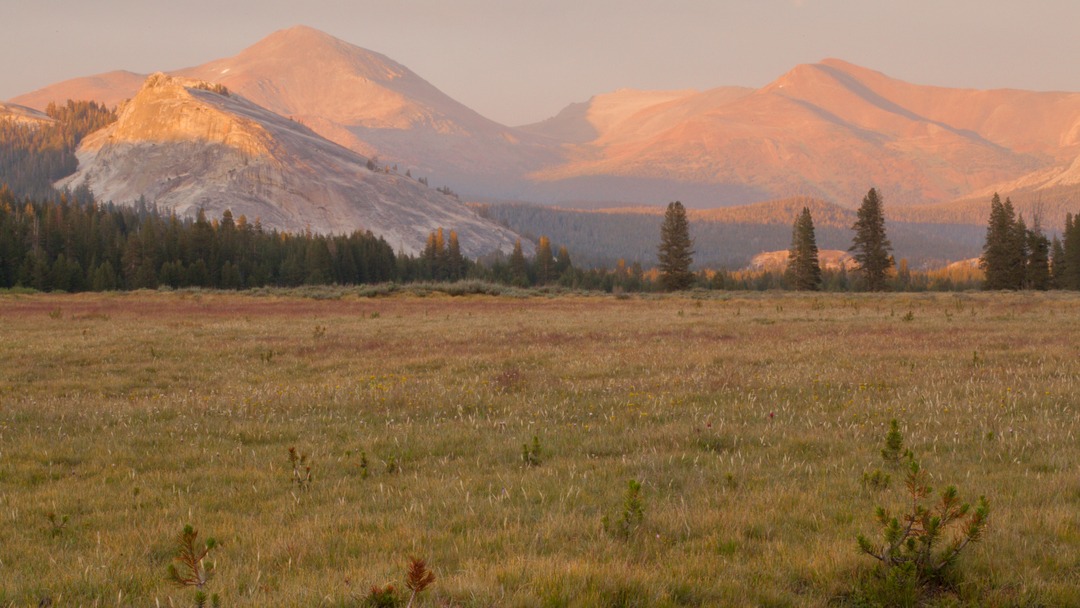
Sunrise in Tuolumne Meadows. Photo courtesy of Keith S. Walklet.
Valley Picnic Areas
Sometimes the best way to slow down in Yosemite Valley is also the simplest … sitting down for a picnic. The Valley is home to six picnic areas: Cathedral Beach, El Capitan, Sentinel Beach, Swinging Bridge, Lower Yosemite Fall, and Church Bowl.
These picnic areas offer tables, trash receptacles, restroom facilities, and easy access to nature — with some nestled alongside the Merced River and epic views of Yosemite Valley.
They are the perfect places to pause. Instead of eating lunch between stops, take the time to linger — watch the river move past, listen to the wind in the trees, and look up at the granite cliffs rising above the Valley.
These spots have long been gathering places for families and friends visiting Yosemite, and they’re about to get some renewed attention. An upcoming project led by the National Park Service and Yosemite Conservancy will revitalize Yosemite Valley’s six historic picnic areas, improving accessibility, updating tables and facilities, and restoring the surrounding landscapes so visitors can continue to enjoy these spaces for years to come.
Picnic areas can be common sites of negative human-wildlife interactions. Remember to always keep your distance from wildlife, never feed wild animals, dispose of trash, and keep food, trash, and other scented items within arm’s reach.
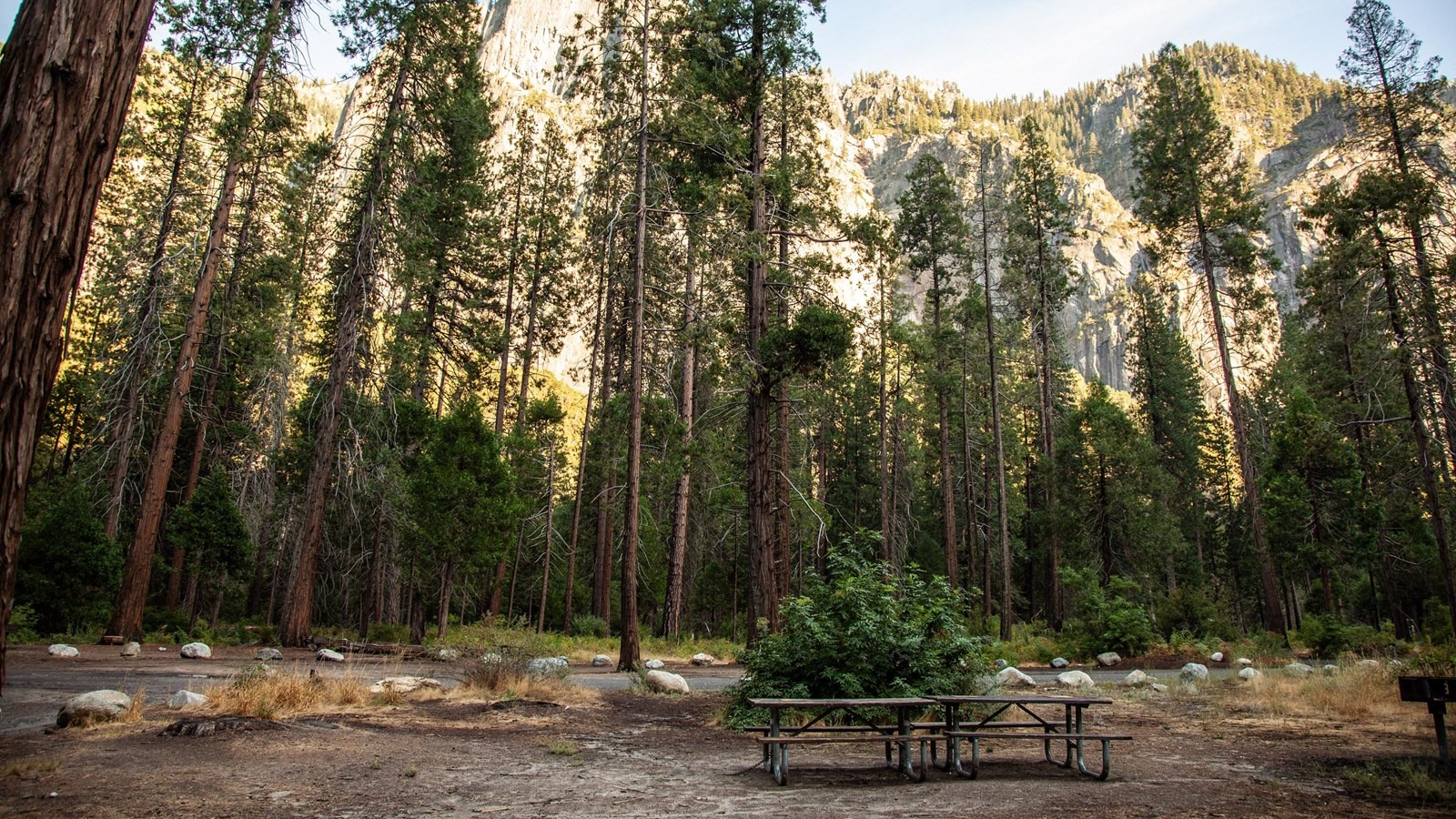
Sentinel Beach Picnic Area in Yosemite Valley. Photo courtesy of NPS.
Evening in Yosemite
As the sun dips behind the granite walls, things really begin to slow down in Yosemite.
Day hikers head back to their cars, the roads quiet, and the light softens across Yosemite Valley. In our opinion, this is one of the best times to take a gentle walk around Cook’s Meadow, settle in at camp and sit around the fire, or simply watch the lights of rock climbers making their way up El Capitan.
If you’re looking for something a little more structured, Yosemite Conservancy offers evening programs — Yosemite Valley Sunset Walks and Explore Yosemite’s Night Sky stargazing programs led by naturalists. These programs invite visitors to experience Yosemite in a different way: looking up at the stars, listening to the sounds of the Valley after dark, and learning about the park through stories and science.
It’s a quieter Yosemite — and for many visitors, one of the most memorable.
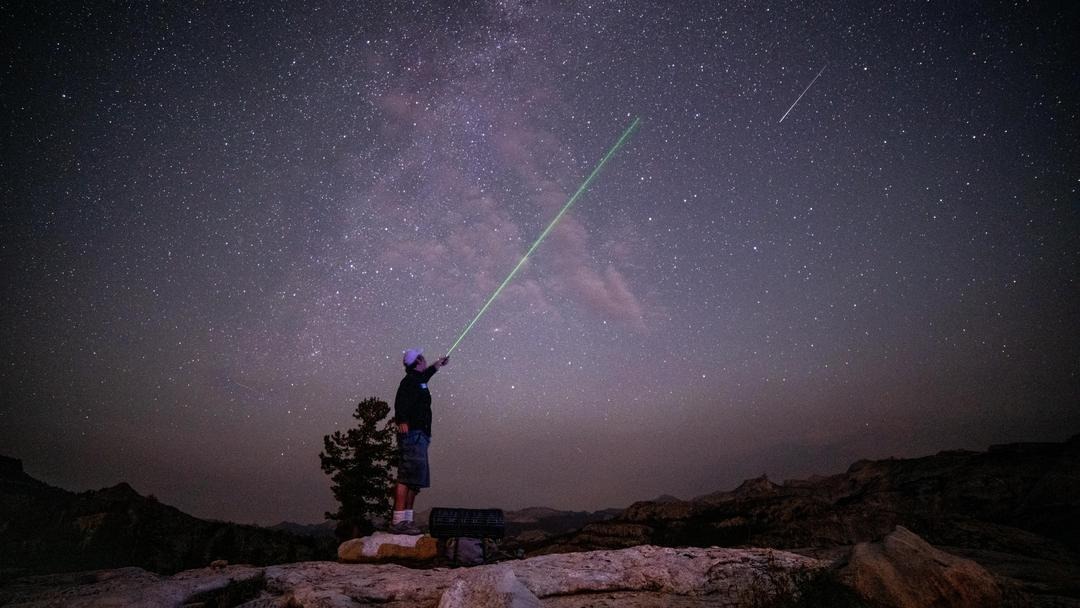
Naturalist points out features of the night sky during a Conservancy stargazing program. Photo courtesy of Jacob Myhre.
A Different Way to Experience Yosemite
Slowing down in Yosemite doesn’t mean skipping the park’s most famous places. It just means experiencing them a little differently.
It might look like floating a quiet stretch of river, painting beneath towering cliffs, wandering along a trail without a rush, or staying out long enough to watch the first stars appear over granite peaks.
In a park known for its dramatic landscapes, sometimes the most meaningful moments are the slow ones — when you pause long enough to simply take it all in.