Yosemite National Park’s story in 2025 was written by the people it depends on — park staff, conservancy donors, ancestral stewards, volunteers, visitors, and so many more. Throughout the year, incredible strides were made to protect its natural wonders, enhance visitor experiences, and celebrate the park’s cultural heritage. Even as staffing shortages and end-of-year operational challenges created uncertainty and strain, the park’s people remained deeply committed to caring for this extraordinary place.
This year’s achievements reflect that dedication. Despite unforeseen challenges, critical conservation, restoration, and education efforts stayed on track — with some even exceeding expectations. Every donor contribution, volunteer hour, and mindful visitor helped ensure that our care for this park continued, allowing us to protect this vibrant landscape and strengthen the connections people form with it.
Read below for some of the highlights from projects funded by Yosemite Conservancy donors in 2025!
 Trail Rehabilitation and Access
World-class crews maintained and repaired hundreds of miles of Yosemite trails to uplift local ecosystems and visitor safety. In 2025, the Conservancy funded trail projects that supported:
- Critical repairs and trail maintenance on the legendary trails of Yosemite Valley, with emphasis on the Nevada Foot Trail and Horse Trail below Vernal Fall Bridge, Mist Trail, and Upper Yosemite Falls Trail.
- 15+ youth crewmembers from the California Conservation Corps to restore highly trafficked trails throughout the park — including the Valley Loop Trail, the Northside of Mirror Lake Loop, and the Tenaya Zig-Zags.
- Completed trail repairs and maintenance on a 17.5-mile section of the Pacific Crest Trail — from Dorothy Pass to Stubblefield Canyon — to improve visitor safety and experiences in the area
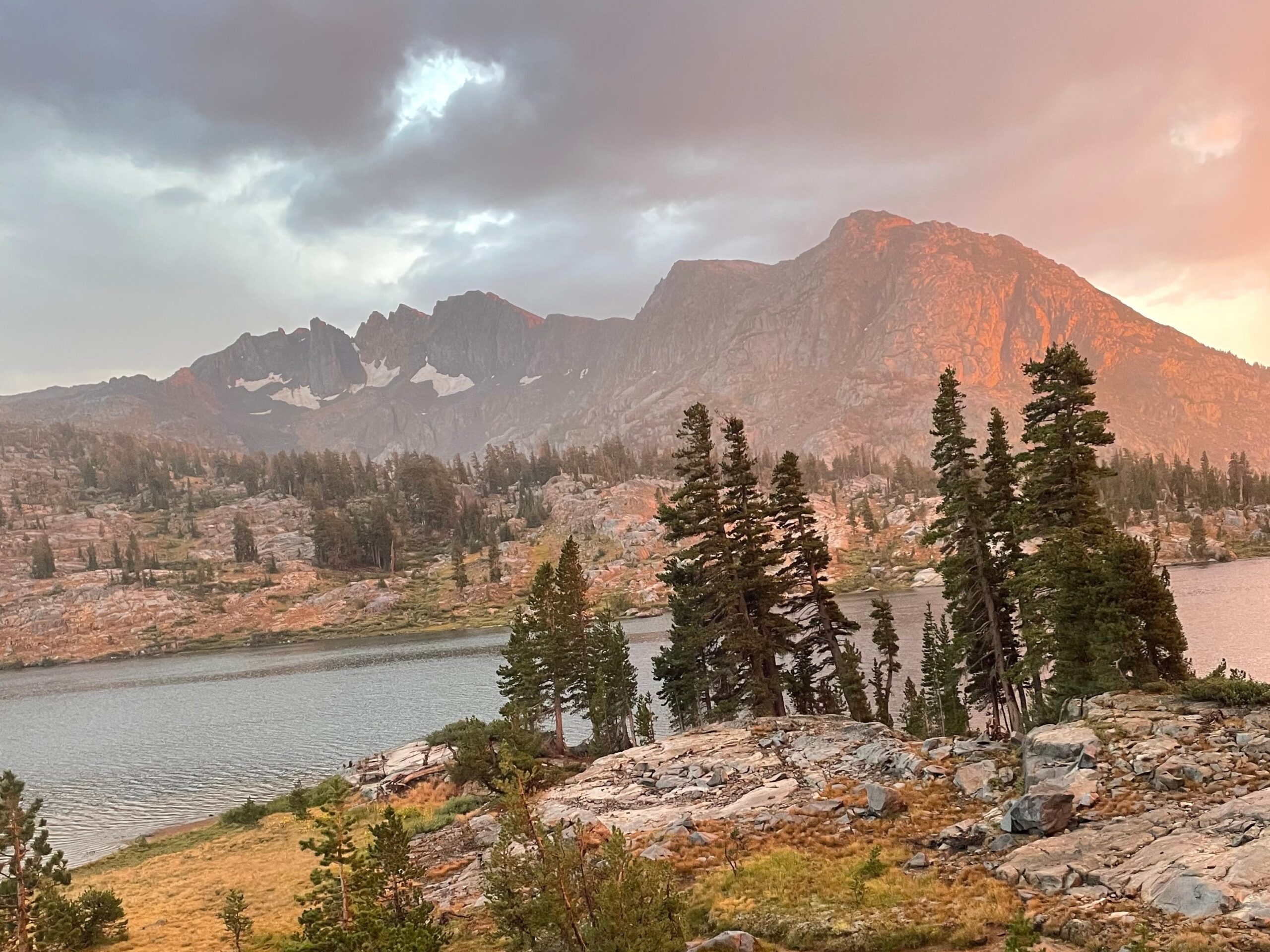
Scenic view from Dorthy Lake Pass where park trail crews worked to repair a 17.5-mile section of the Pacific Crest Trail in 2025. Photo courtesy of the National Park Service (NPS).
 Wildlife Management
Park biologists supported healthy ecosystems and species in Yosemite through year-round research and monitoring efforts. With Conservancy support this year, park staff were able to:
- Successfully translocate four pregnant bighorn sheep ewes who successfully lambed in the spring.
- Develop novel methods to study Yosemite’s 17 bat species, including ways to find and access nests, collaborate with bat biologists, and engage visitors in bat research.
- Track population sizes and movement patterns for the elusive Pacific fisher with the use of GPS collar technology, allowing for better understanding and management of this species.
- Protect 10 peregrine falcon nesting sites from potential disturbances associated with recreational climbing and slacklining activities
- Reintroduce endangered and threatened amphibians — Yosemite toads, California red-legged frogs, and Sierra Nevada yellow-legged frogs — and survey amphibian egg masses around Yosemite Valley.
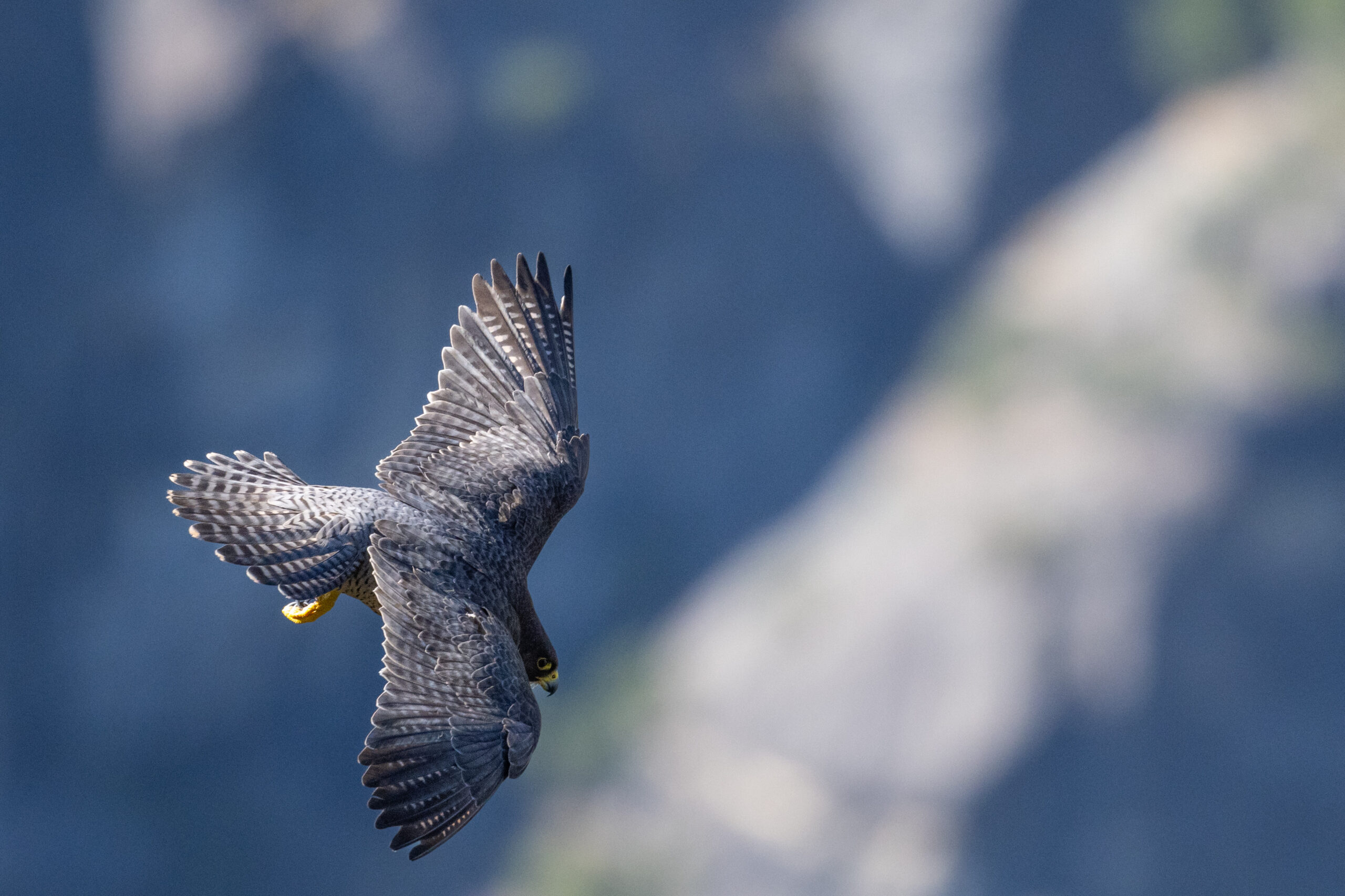
An adult peregrine falcon flies above Glacier Point. These incredible birds are a major conservation success story in Yosemite, recovering from near extinction thanks to collaborative efforts between biologists, climbers, and the Yosemite Conservancy. Photo courtesy of James McGrew.
 Habitat Restoration
Donor support keeps habitats resilient, so visitors today and tomorrow can experience and appreciate healthy ecosystems. This year:
- The journey to restore Ackerson Meadow — one of the largest mid-elevation meadows in the Sierra Nevada — continued with species monitoring, invasive plant treatments, native seed collection, revegetation efforts, and more.
- Keep it Wild crews minimized modern human impacts on wilderness ecosystems through the maintenance of 1,000+ backcountry campsites and the removal of non-native plants and informal trails.
- Park crews completed a 3,912-foot trail reroute and 626 feet of meadow restoration at the north and south ends of Kerrick Meadow.
- The multi-year Tenaya Lake revegetation project was completed with a final planting of 2,500+ native plants in the area.
- Prescribed fire was introduced in one location in Yosemite Valley to study the effects of fire on culturally significant plant species.
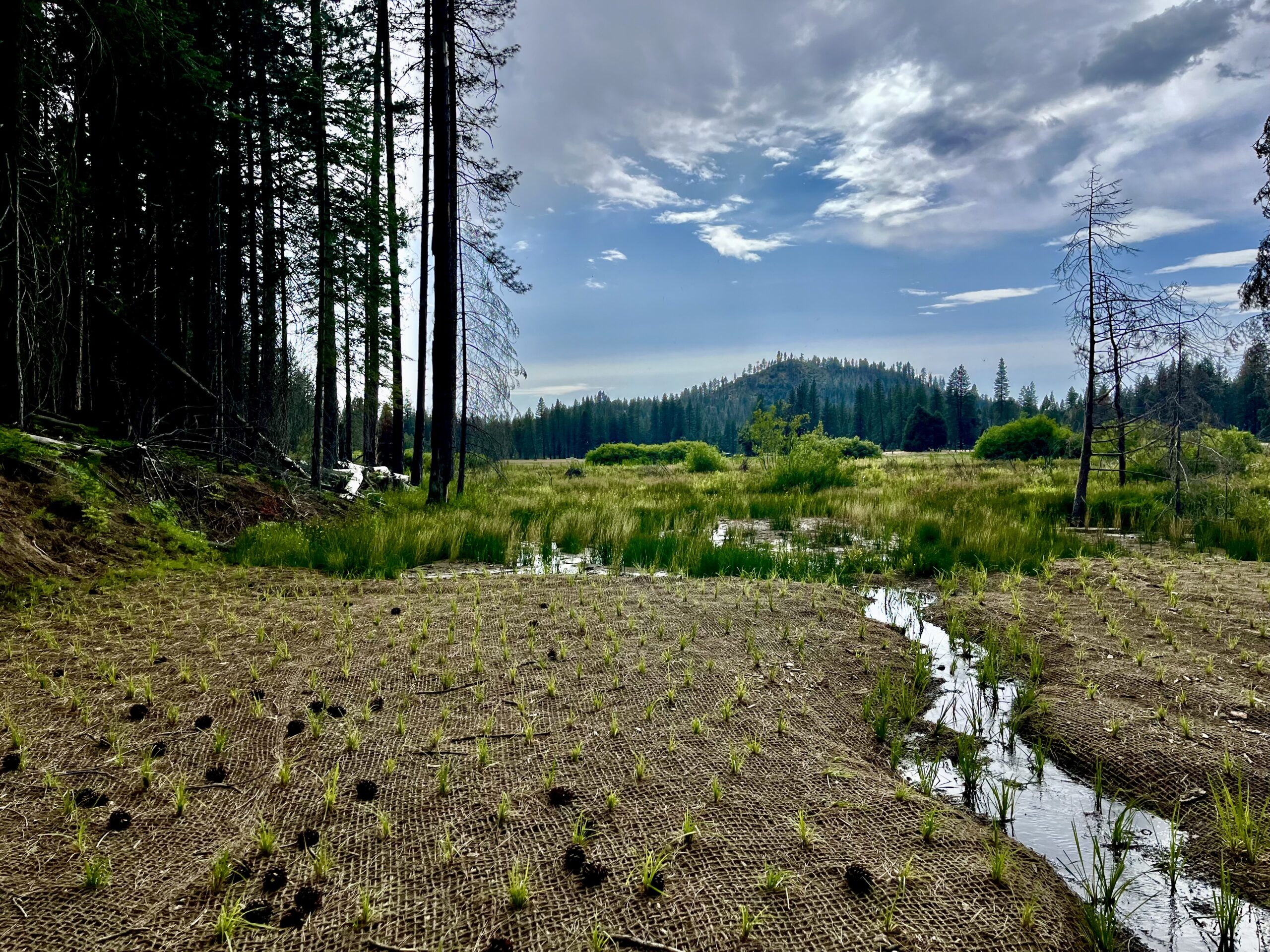
The restoration of Ackerson Meadow in Yosemite included the revegetation efforts. Highly productive growth from spring 2024 plantings can be seen in the background of this photo, while new, budding plantings from summer 2025 are visible in the foreground. Photo courtesy of the National Park Service (NPS).
 Scientific Research
From studying pollinators to surveying hikers, research helped protect natural resources and improve visitor experiences. In 2025:
- The Yosemite Human-Bear Management program kept bear incidents low — when bears damage human property, injure someone, or show aggressive behavior — with 34 total bear incidents, a 99% reduction from 1998 when damage caused by bears peaked.
- 50+ License Plate Reader cameras were deployed at 14+ locations to automatically recognize vehicles as they move around the park, match vehicles to reservations at the entrance gates, and guide future vehicle management tactics.
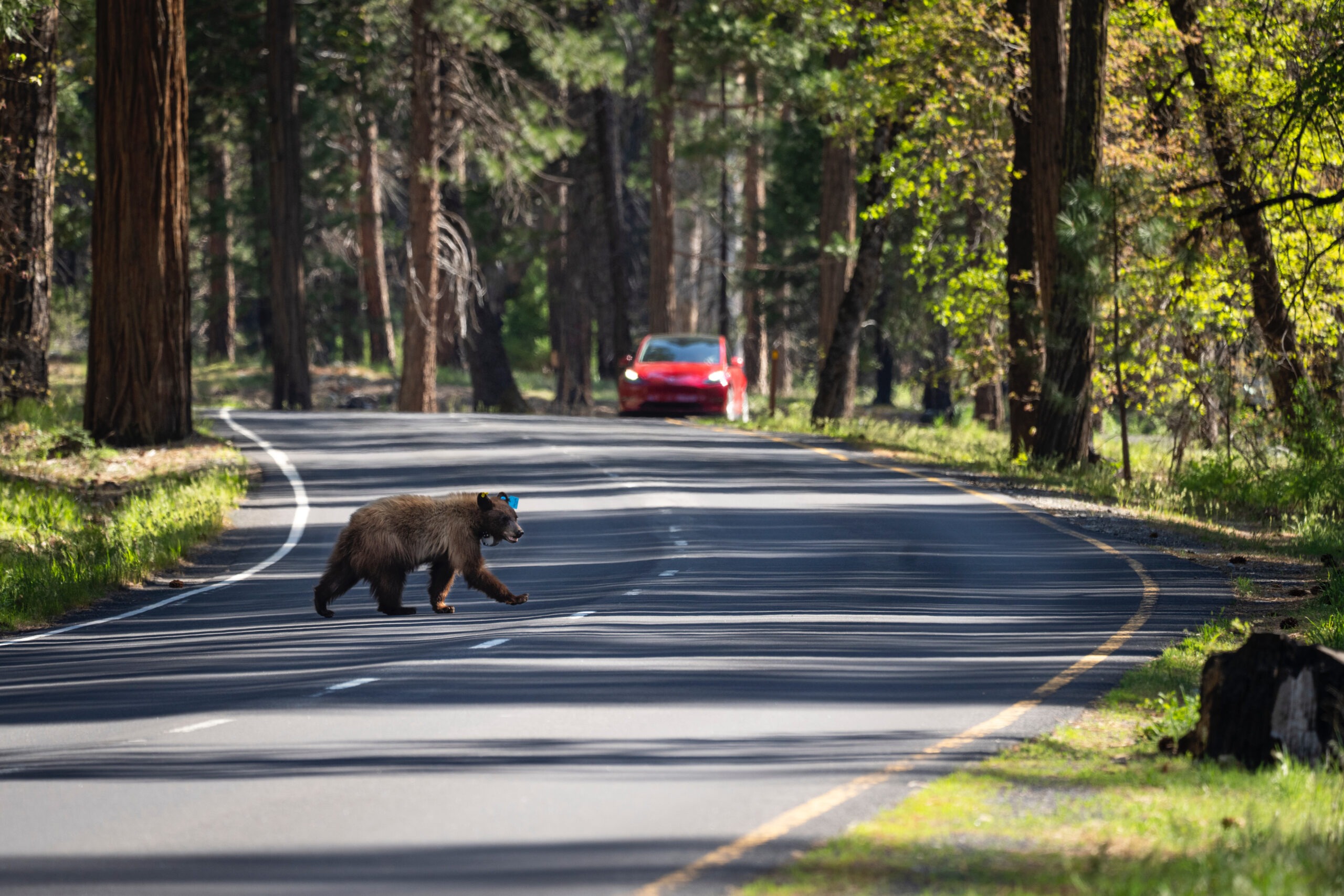
The Yosemite Human-Bear Management program tracks certain black bears in Yosemite national Park with the use of GPS collar technology. Photo courtesy of Jessica Hadley.
 Cultural and Historic Preservation
These projects helped preserve historical resources and share the stories of people who have shaped Yosemite’s story — from millennia ago to today. With Conservancy support this year:
- Yosemite National Park hosted six cultural demonstrators representing local and California Tribes to interpret cultural stories and Tribal histories and the Yosemite Museum and Indian Village.
- A series of five cultural events — including the Parsons Memorial Lodge Summer Series and Obata Art events — reached nearly 10,000 visitors.
- One mule and one horse were purchased to join the park’s mounted patrol programs, allowing several long-time patrol horses to retire and find their forever homes in the gateway community of Mariposa.
- The all-indigenous Yosemite Ancestral Stewards crew restored local landscapes and cultural practices via meadow restoration, fuel reduction, trail work, and archaeological site protection.
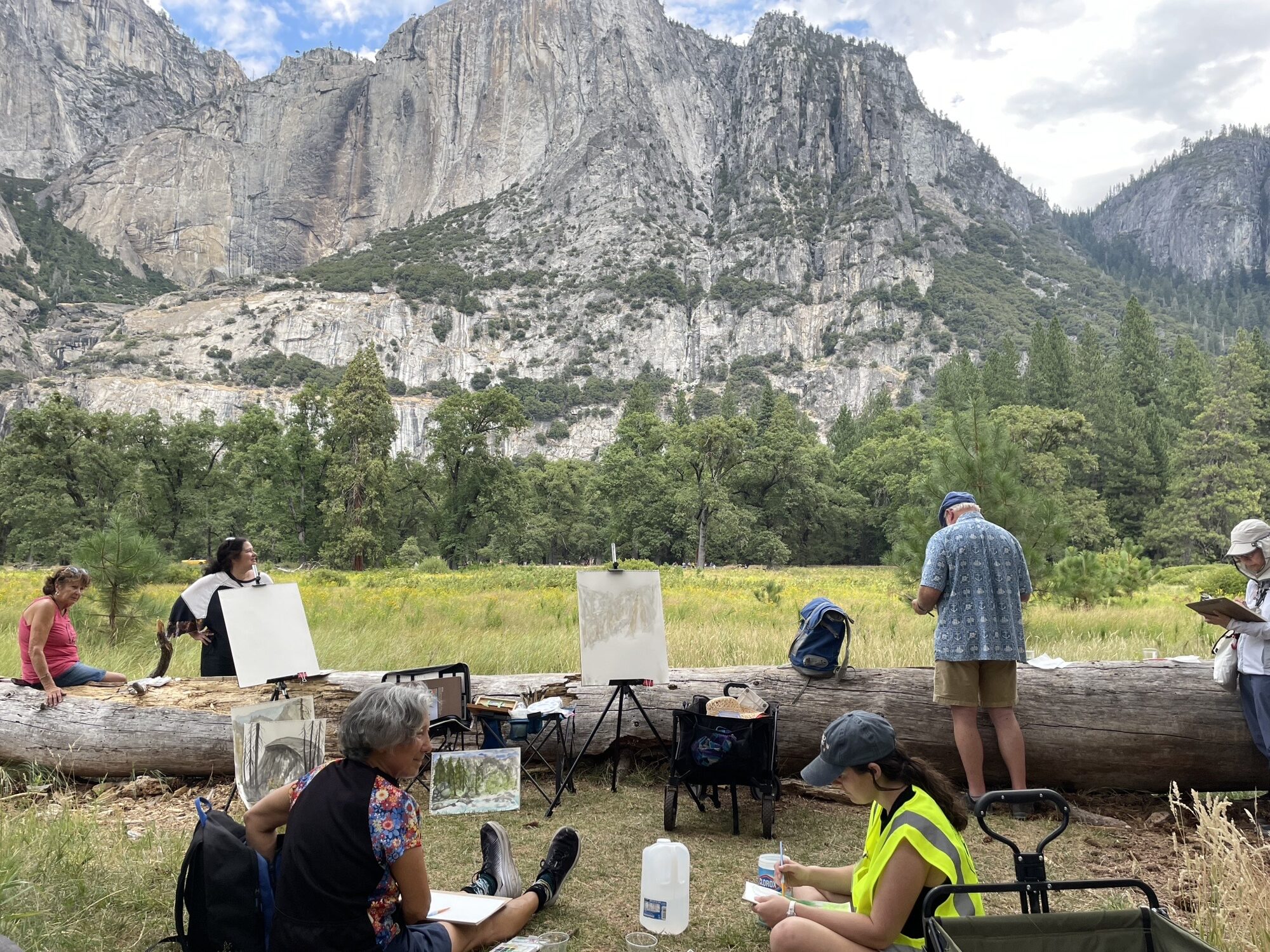
Visitors participate in one of the free art classes that took place during the Obata Art Weekend in the summer of 2025. Photo courtesy of the National Park Service (NPS).
 Visitor Services and Education
Each year, Yosemite Conservancy supports an array of visitor-focused projects in the park. In 2025, the Conservancy funded efforts to create a more inclusive park for all:
- 1,500 volunteers joined the Climbing Stewardship program to help inspire, educate, and promote safe and sustainable rock climbing practices, and the Ask a Climber program connected with 20,000+ visitors at the El Capitan meadow.
- Park administration piloted a reservation program to work toward increased efficiency at entrance gates, a reduction of traffic lines at entrances, and better technology.
- 842 visitors joined 34 Ranger Buzz and Butterflies programs — 16 in Yosemite Valley and 18 in Tuolumne Meadows — to connect with the importance of park pollinators.
- Interpretive rangers produced two new Yosemite Nature Notes Films on Tuolumne in winter and the Yosemite Toad.
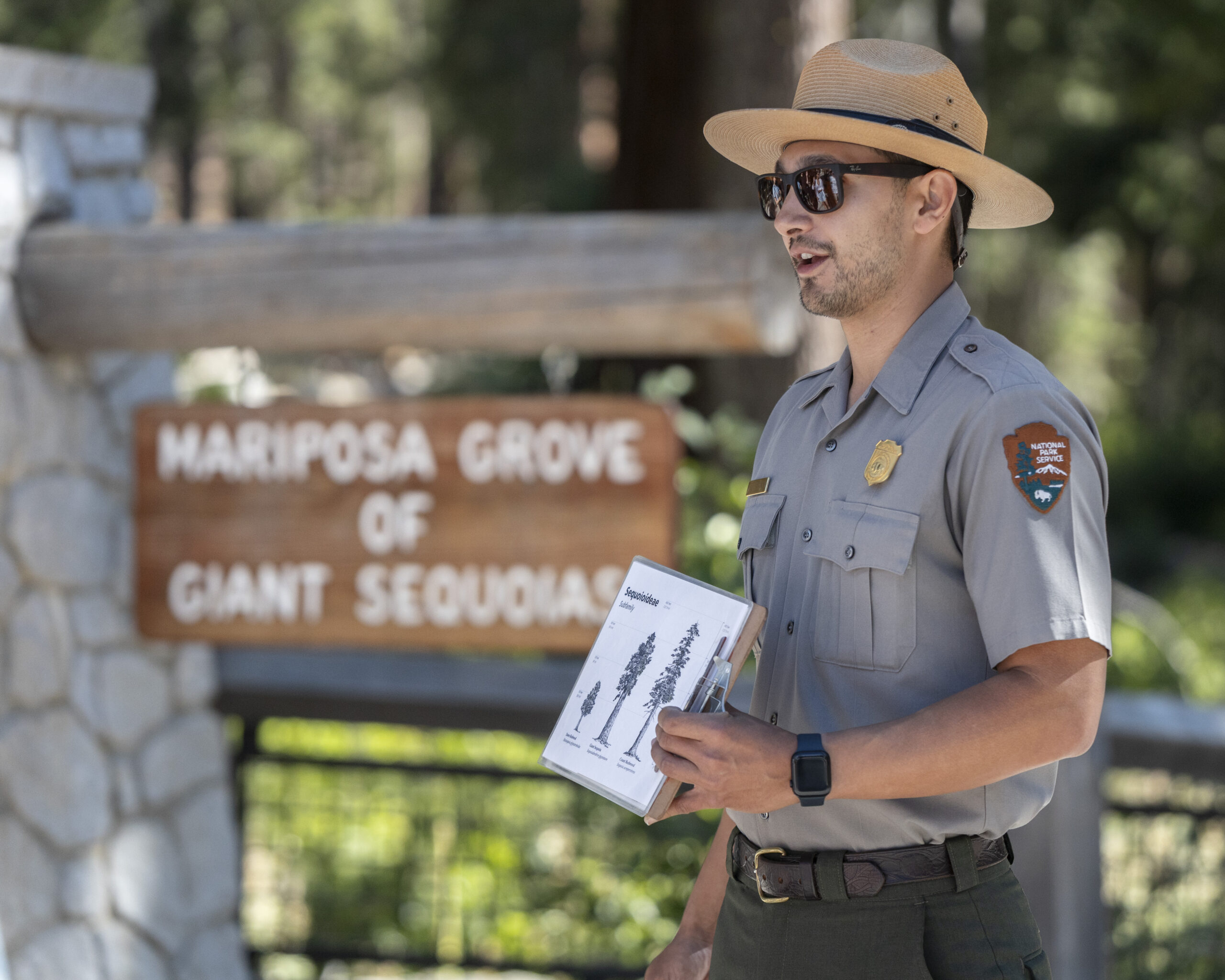
Yosemite National Park ranger Cody Boettner leads an inspiring visitor program in the Mariposa Grove of Giant Sequoias. Photo courtesy of Brady Richards / National Park Service (NPS).
 Youth in Yosemite
Yosemite’s future depends on its future champions and donor support funds programs that inspire the next generation of park-lovers. In 2025:
- Park Rangers distributed 15,000+ junior ranger badges and hosted 400+ programs reaching 8,000+ junior rangers and families.
- The WildLink program connected 400+ youth participants to wilderness via overnight expeditions and community projects.
- The Adventure Risk Challenge program facilitated summer programs that connected 111 teens from gateway communities to nature and opportunities to build academic skills.
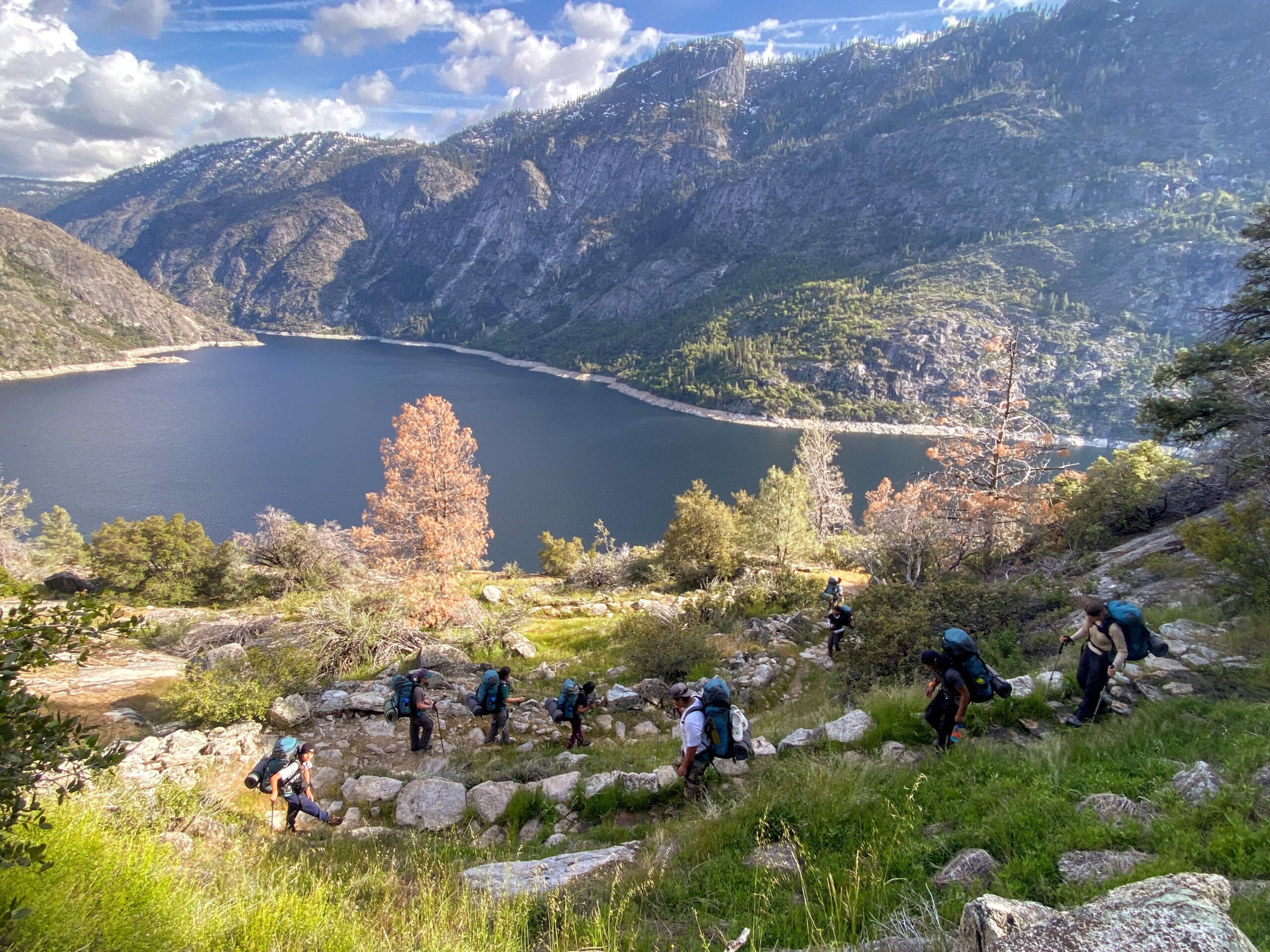
Porterville High School WildLink group embarks on a four-day, three-night wilderness expedition in Yosemite National Park. Photo courtesy of Kellyn Hardin / WildLink.
Be Part of Yosemite’s 2026 Story
The progress made in 2025 — trail restoration, wildlife protection, cultural preservation, and more — was made possible by the dedication of those who love Yosemite. The work doesn’t stop. Your support is essential to continue protecting and enhancing this extraordinary park.